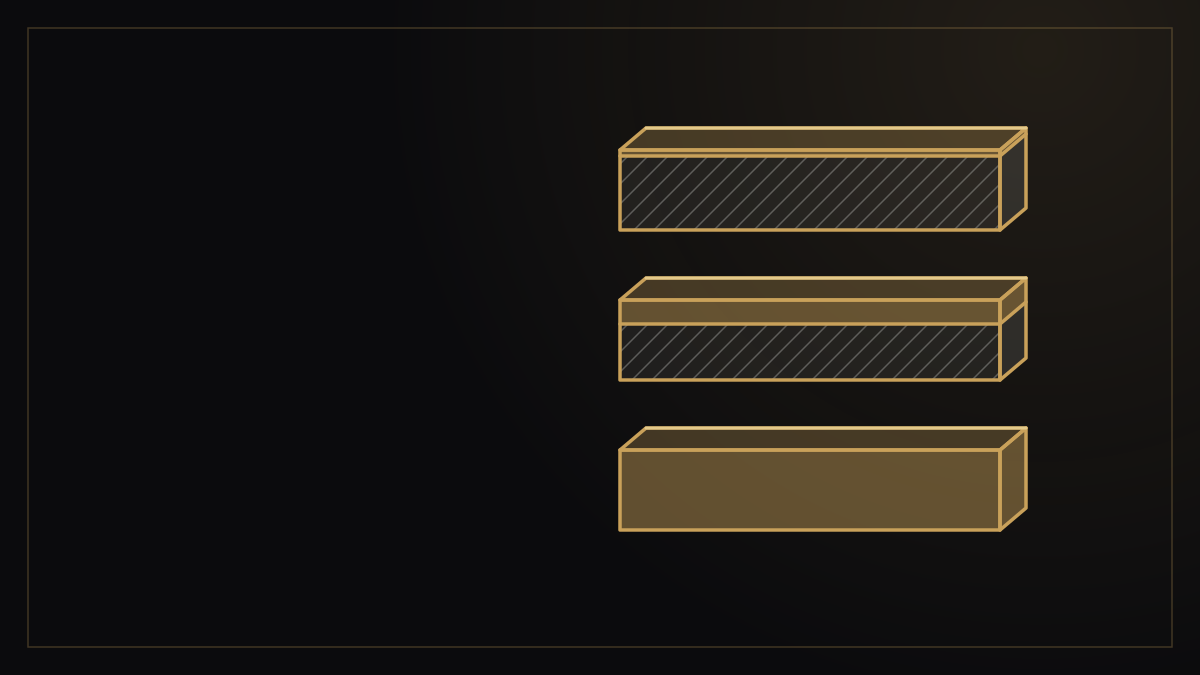
Gold-plated
A base metal piece, usually brass, copper or steel, is coated with a very thin layer of gold by electroplating. The layer is measured in microns, and ordinary plating is under one micron; "heavy" plating is 2.5 microns or more. Marks to look for: GP, GEP, HGE, RGP (rolled gold plate), or just nothing at all. It is cheap, it photographs well, and on a ring or a bracelet it wears through at the edges within months. Once the base metal shows, it can also mark the skin green or grey.
Vermeil is a special case: sterling silver (925) plated with gold; in the US the gold must be at least 2.5 microns thick and 10K or better. Better than plated brass, still a coating.
Gold-filled
Despite the name, nothing is filled. A thick sheet of karat gold is bonded to a base metal core with heat and pressure, then the sandwich is drawn into wire or rolled into sheet. The gold must be at least 5 percent of the total weight, and the usual mark is 1/20 14K GF (one twentieth by weight, 14K gold). The gold layer is many times thicker than plating, so a gold-filled chain can look new for years. It is a real step up, and a good choice for everyday pieces, but the gold is still a skin, and it will not survive resizing or repair that cuts through it.
Solid gold
The alloy is the same all the way through: 9K, 14K, 18K or 22K gold mixed with other metals, marked 375, 585, 750, 916 or the karat. There is nothing to wear through. It can be resized, repaired, re-polished and eventually melted and remade; its metal value is real and it is what a hallmark certifies. It costs more because you are buying the gold itself, not a finish.
How each wears
Friction is the enemy of any layer. Rings and bracelets rub against everything; pendants and earrings hardly rub at all. So a plated pendant may look fine for years while a plated ring is tired in a season. Gold-filled extends all of that by a large factor. Solid gold only gets the soft scratches and patina that a polish removes.
How to check a piece you own
- Read the marks with a loupe: karat or fineness numbers mean solid; GP, GEP, HGE, RGP mean plated; GF or 1/20 means gold-filled; 925 with a gold colour usually means vermeil.
- Look at the wear points: the inside of a band, the back of a pendant, the clasp. A different colour showing through means a layer.
- Magnet: gold is not magnetic, but neither are brass, copper or silver, so a magnet only catches steel cores. A positive result proves plating; a negative result proves little.
- Ask a jeweller: an acid test on a hidden spot or an XRF reading takes a minute and settles it without harming the piece.
DiOro999.9 lists solid gold only, with the purity and the weight on every listing. Plated and filled pieces have their uses; they are simply not what we sell, and the difference should be plain before you pay.